Japantown: The Neighborhood That Came Back
One of three historic Japantowns left in America, emptied by incarceration in 1942 and rebuilt by the families who returned: Jackson Street is the valley's living archive.
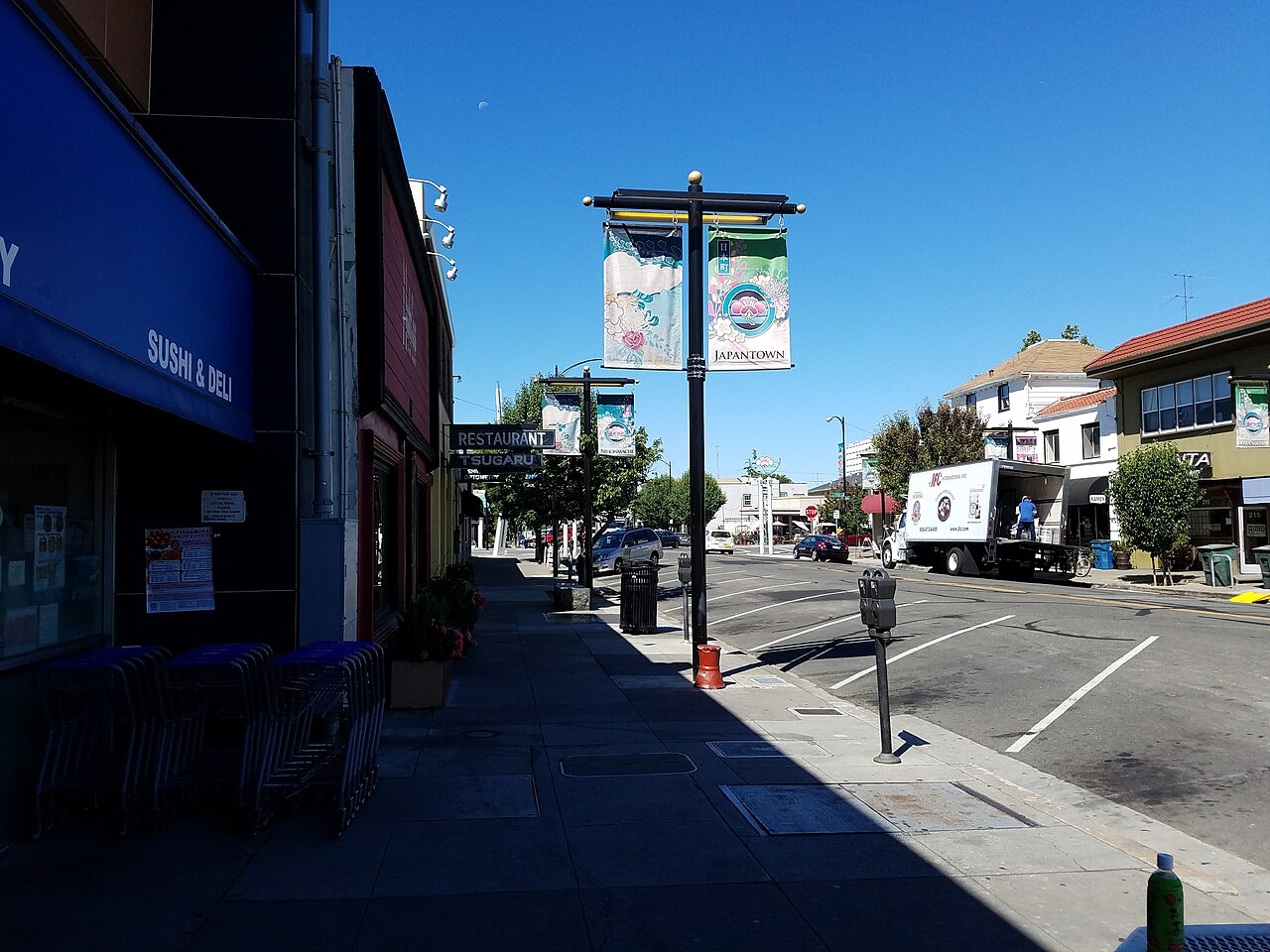
Five minutes from downtown's towers, Jackson Street keeps a different century. San Jose's Japantown — centered on Jackson between Fourth and Seventh — is one of only three historic Japantowns remaining in the United States, a neighborhood founded by Japanese immigrants in the 1890s in the shadow of the city's old Chinatown, and preserved, against extraordinary pressure, by the community that built it.
The neighborhood's anchors are institutions of endurance. The San Jose Buddhist Church Betsuin, with its distinctive temple architecture on Fifth Street, has served the community since the first years of the 1900s. The Japanese American Museum of San Jose, on Fifth as well, holds the record the neighborhood made: the agricultural story of the Santa Clara Valley's Japanese farmers, who leased and worked the valley's fields and orchards; the businesses of Jackson Street's prime; and the rupture of 1942, when the federal government ordered every Japanese American in the county — citizens and immigrants alike — incarcerated in camps, and Jackson Street emptied in a season.
The postwar return is the neighborhood's founding act of will. Families came back from Heart Mountain and the other camps to re-lease farms, reopen shops, and rebuild the churches and halls — the reason a Japantown survives here at all, where most of the West's prewar Japanese districts dissolved. The obon festivals, the farmers market, the taiko dojo and the senior center's lunches carry the decision forward in the present tense.
Today's Jackson Street layers the new valley over the old: ramen and izakaya beside the tofu shop, galleries and coffee beside the manju bakery, murals mapping the neighborhood's history on its walls. The street's scale — low, human, walkable — is itself the artifact, preserved within sight of the towers.
November in Japantown is the quiet season before the holidays' mochi-making: the temple's schedule, the market on Sunday, the last of the fall festivals' echoes. It is the rarest thing in Silicon Valley — a neighborhood that is not a brand but a record, kept by the families who wrote it.