The Headquarters Economy: What San Jose's Towers Mean for California
Adobe, Cisco, PayPal, Zoom — and a state budget that swings with their stock prices. The valley's headquarters economy and Sacramento's ledger are the same story told from two ends.
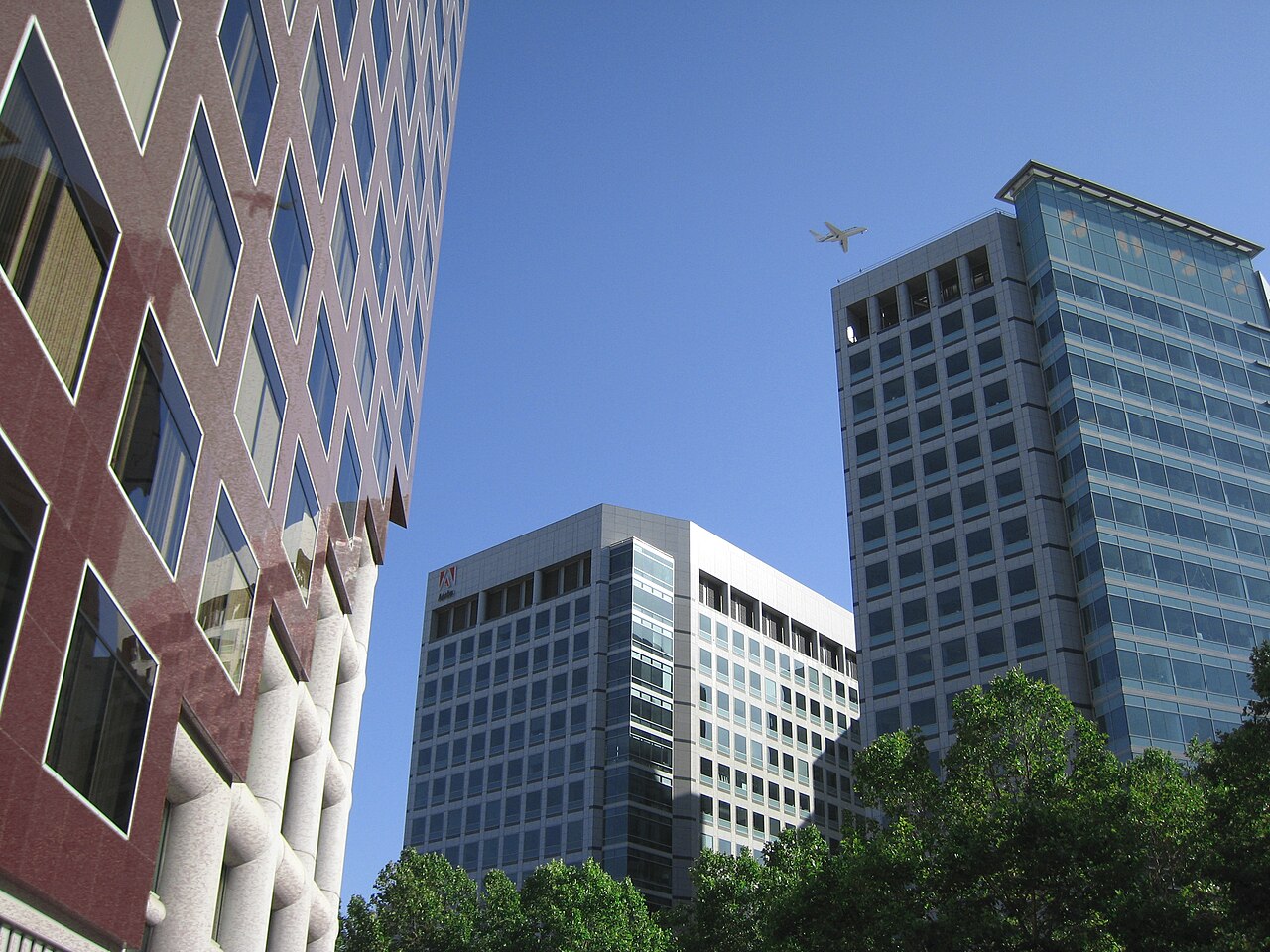
Silicon Valley's creation story is usually told in garages, but its corporate spine is San Jose addresses. Adobe — founded in a Los Altos garage — has run its world headquarters from twin towers in downtown San Jose since the 1990s. Cisco, the networking giant that wired the internet's backbones, is headquartered in north San Jose. PayPal and eBay built their campuses here; Zoom, the valley's pandemic emblem, keeps its headquarters downtown. The city's name, more than any suburb's, is where the valley files its taxes and its tower leases.
The economic weight shows up in Sacramento's ledger. California's budget rides on the personal income taxes of the technology economy to a degree no other state endures — the capital gains and equity compensation of the valley's workforce swing the state's surplus and deficit by tens of billions between good years and bad. When the state's forecasters in the Legislative Analyst's Office write their November outlook — the document that frames the governor's January budget — they are, in substantial part, forecasting this valley.
The state's regulatory reach runs the other direction. California's privacy laws, its artificial intelligence measures, its gig-work and housing-production statutes are drafted in Sacramento and aimed, in effect if not in name, at business models headquartered between San Jose and San Francisco. The industry's relationship with its state capital — lobbyists flying the short hop, ballot measures funded from these campuses — is the defining negotiation of California's political economy.
The physical footprint is the current argument: downtown San Jose's office towers carry the vacancy the remote-work era dealt every American downtown, and the city's bet — transit, housing, the BART extension boring toward Santa Clara — is that the next valley cycle rebuilds at its center rather than its edges.
For the rest of California, the arrangement is a standing bargain: the valley's taxes fund the state's ambitions, and the state's laws bound the valley's. November, when the revenue forecast lands in Sacramento, is when both sides read the same numbers and reach for the phone.