The Valley That Sank — and Stopped: Santa Clara's Water Ledger
The county that sank thirteen feet from its own pumping, and rebuilt its water system into the textbook rescue: Valley Water, Anderson Dam, and the ledger November opens.
Santa Clara County's water story has an unlikely distinction: it is where America learned that pumping groundwater could sink a city — and where the sinking was stopped. Downtown San Jose subsided as much as thirteen feet between the 1910s and the 1970s as orchards and cities drew the aquifer down, an era whose evidence survives in the tilted sidewalks and the flood history that followed. The rescue — importing surface water, recharging the aquifer, managing pumping — made the valley the textbook case that subsidence could be reversed by policy.
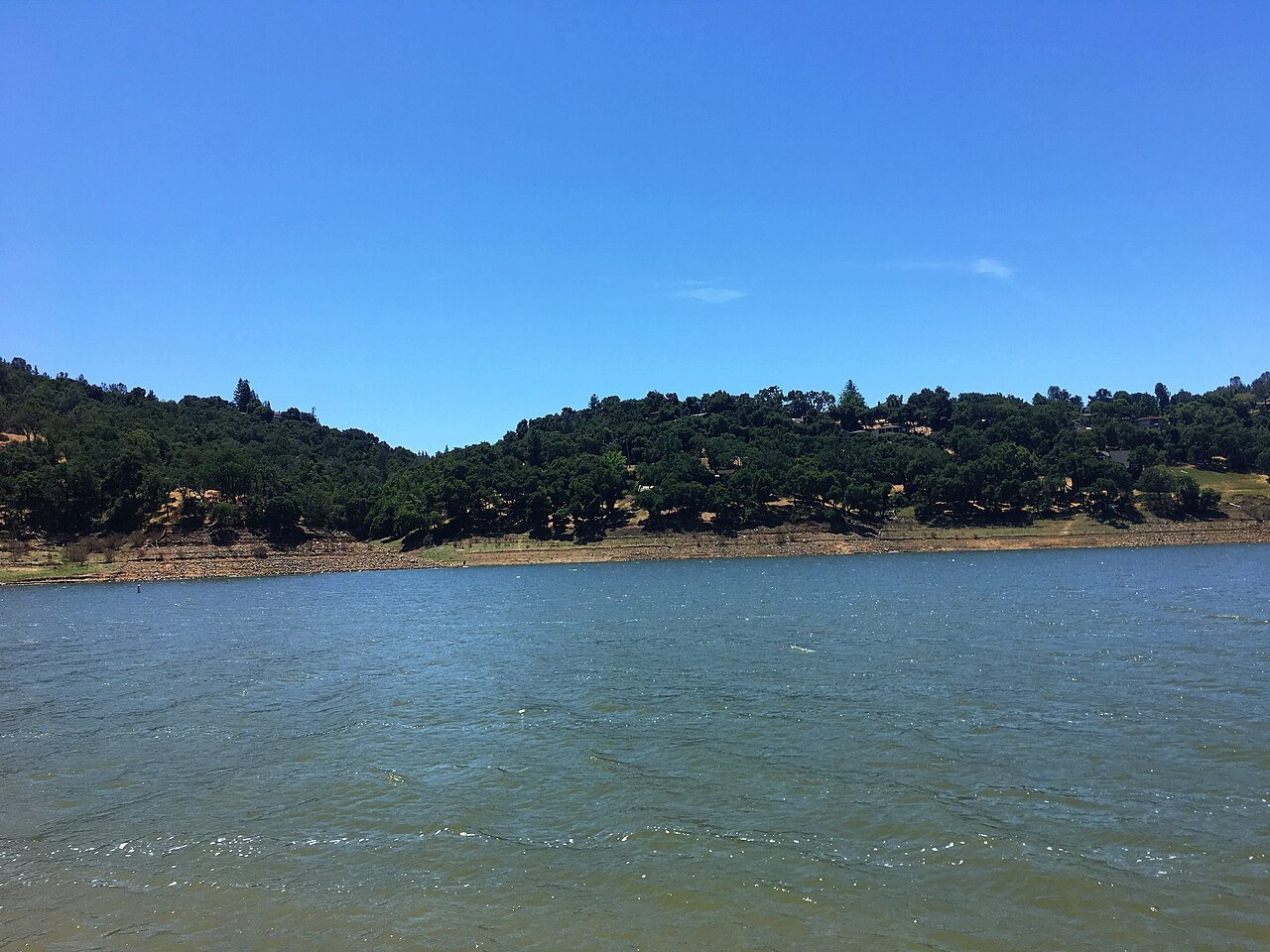
The agency that performed it, the Santa Clara Valley Water District — Valley Water — now runs the county's whole water portfolio: ten reservoirs in the hills, imported water from the Delta and the federal project, groundwater recharge ponds, and the recycled-water system expanding beneath the valley floor. Its current defining project is seismic: Anderson Dam, whose reservoir near Morgan Hill holds the county's largest storage, is being rebuilt — the reservoir drawn down in 2020 after federal regulators judged the old dam's earthquake risk, the replacement tunnel and dam rising on a schedule measured in years and billions.
The Anderson project concentrates the valley's water truths. Storage built for the orchard era must be rebuilt for the earthquake era; the county's growth since — two million people and the world's technology industry — raised the stakes of every acre-foot; and the drought years taught the agency to treat groundwater as a bank to be refilled in wet winters rather than a mine.
November opens the water year with the valley's reservoirs at their seasonal low and the first storms deciding the refill. Valley Water publishes its storage and groundwater numbers monthly, a ledger the whole county can audit — the transparency of an agency that knows its history: in Santa Clara County, water ignored becomes land lost. The valley sank thirteen feet learning it. It has not forgotten since.